Understanding the Relevance of Home Air Flow for a Healthier Living Setting
Home ventilation plays an essential role in maintaining a healthy and balanced living atmosphere. It helps with the exchange of outdoor and indoor air, which is essential for enhancing air quality. Without proper air flow, homes can become reproducing premises for irritants and pollutants. The consequences of inadequate air flow can be significant. This raises the questions of how property owners can successfully execute ventilation strategies to secure their health and wellness. Understanding these techniques is critical.
The Essentials of Home Air Flow
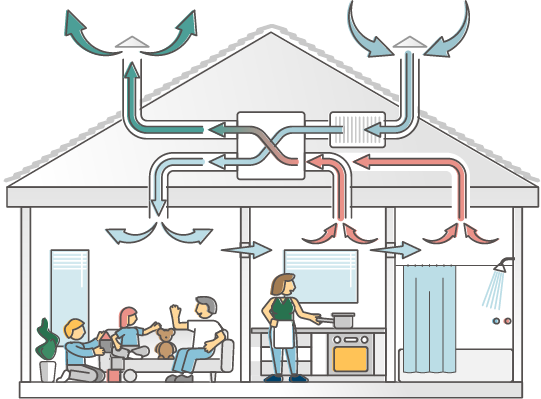
Home air flow works as a crucial element of indoor air top quality and convenience. It includes the procedure of exchanging stale indoor air with fresh outdoor air, consequently lowering humidity and regulating temperature level. Proper air flow systems can consist of all-natural techniques, such as open windows and vents, in addition to mechanical systems, such as exhaust followers and air exchangers. Effective home air flow assists avoid issues like indoor mold growth and the accumulation of damaging bits. It also boosts total power efficiency, as well-ventilated spaces can preserve comfy temperature levels with much less reliance on heating and cooling systems. Recognizing the basics of home air flow is vital for house owners looking for to create a much healthier living atmosphere on their own and their families.
Usual Sources of Indoor Air Air Pollution

Although numerous may not understand it, indoor air contamination can originate from numerous resources within a family. Typical contributors consist of volatile organic substances (VOCs) released from paints, solvents, and cleansing products. Home appliances, such as gas ovens and fire places, can launch damaging gases like carbon monoxide gas and nitrogen dioxide. Furthermore, mold and mold flourish in wet areas, launching spores that impact air top quality. Pet dog dander, allergen, and pollen can collect indoors, further worsening air pollution degrees. Cigarette smoking indoors generates harmful chemicals that remain airborne. Ultimately, building materials, consisting of asbestos and formaldehyde, can off-gas harmful substances. Identifying these resources is important for keeping a healthier indoor environment and advertising efficient air flow strategies.
Health And Wellness Impacts of Poor Ventilation
Interior air pollution can have significant wellness implications, particularly when air flow is insufficient. Poor air flow can result in the buildup of hazardous pollutants, such as volatile organic substances, mold, and particulate matter. This build-up may Learn More Here cause respiratory issues, consisting of bronchial asthma, allergic reactions, and chronic obstructive pulmonary illness. Individuals might experience signs and symptoms like frustrations, fatigue, and irritability of the eyes, nose, and throat. At risk populaces, such as children and the elderly, go to greater danger for severe health effects. Long-term exposure to inadequately aerated atmospheres can also contribute to more major conditions, consisting of cardiovascular diseases. Consequently, making certain appropriate air flow is crucial for preserving a healthy living atmosphere and lowering the threat of health and wellness problems connected with interior air pollution.
Reliable Air Flow Strategies for Your Home
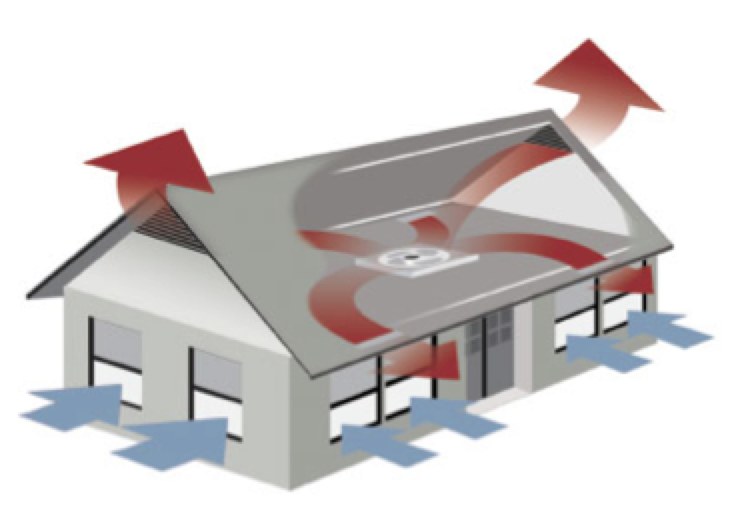
Appropriate air flow is essential for keeping a healthy indoor setting, and executing reliable approaches can considerably boost air top quality. Homeowners can begin by making sure that exhaust followers are set up in bathrooms and kitchens to remove excess moisture and smells. Opening windows routinely enables fresh air to distribute, specifically throughout mild climate. Furthermore, making use of air cleansers with HEPA filters can assist catch airborne contaminants. For homes with home heating and cooling down systems, preserving HVAC systems and altering filters on a regular basis is vital for peak performance. Including all-natural ventilation strategies, such as cross-ventilation, can likewise enhance airflow. Securing any leaks in home windows and doors protects against undesirable drafts, which can interfere with controlled airflow, inevitably leading to enhanced indoor air top quality and convenience.
Keeping Optimum Air Top Quality Year-Round
To maintain suitable air quality year-round, house owners should embrace a proactive strategy to handling their interior atmosphere. Frequently keeping track of interior air high quality is essential; this consists of monitoring for toxins such as dirt, mold and mildew, and volatile organic compounds (VOCs) Applying reliable ventilation systems, such as exhaust followers and air cleansers, can considerably minimize airborne pollutants. In addition, regular upkeep of heating and cooling systems guarantees peak performance and air blood circulation. Homeowners must additionally take into consideration moisture degrees, as excessive dampness can bring about mold development. Seasonal adjustments might require modifications in ventilation strategies to fit varying exterior air top quality. By prioritizing these methods, homeowners can develop a healthier space, advertising overall health for all occupants throughout the year.
Often Asked Questions
How Can I Inform if My Home Requirements Much Better Ventilation?
To identify if a home needs better ventilation, one must observe indications such as consistent humidity, mold and mildew growth, mildewy smells, condensation on home windows, or raised allergic reaction signs and symptoms, indicating inadequate air flow and possibly bad indoor air top quality.
What Are the Indicators of Poor Indoor Air Top Quality?
Can Houseplants Improve Indoor Air High Quality Successfully?
The performance of houseplants in enhancing interior air top quality is discussed. While some researches suggest they can absorb contaminants and produce oxygen, their overall impact may be very little compared to appropriate air flow and air purification systems.
How Frequently Should I Adjustment My Air Filters?
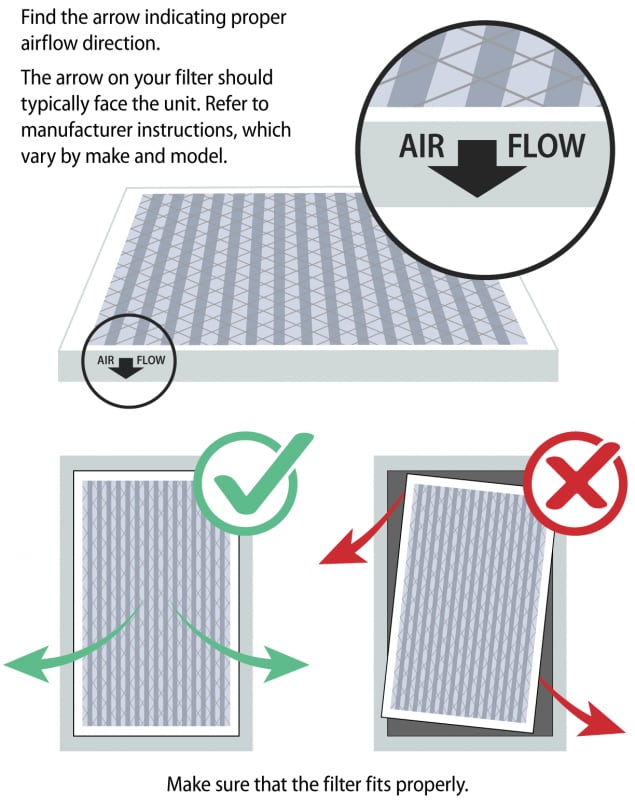
The regularity of air filter changes commonly relies on usage and filter type. Normally, it is advised to replace filters every 3 months, though houses with allergies or pet dogs may need even more frequent modifications for perfect efficiency.
Are There Any Kind Of Details Air Flow Equipments for Allergy Sufferers?
Several ventilation systems, such as HEPA-filtered systems, efficiently decrease irritants in the air. Home Ventilation Melbourne. These systems catch pet, plant pollen, and dirt dander, giving allergy sufferers with a cleaner, much healthier interior environment while handling air top quality effectively
It promotes the exchange of indoor and outdoor air, which is crucial for enhancing air top quality. Home ventilation offers as a vital element of interior air top quality and comfort. It involves the procedure of exchanging stale indoor air over at this website with fresh exterior air, thus decreasing humidity and managing temperature level. Interior air pollution can have significant health and wellness implications, especially when air flow is poor. Appropriate air flow is crucial for preserving a healthy interior environment, and carrying out efficient techniques can significantly enhance air quality.